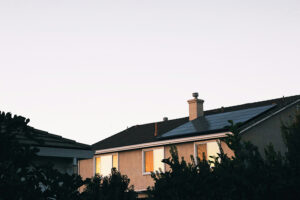


 Homes and public buildings around the world have switched their lights off for another Earth Hour – but this year’s event came with a digital twist.Speaking ahead of Earth Hour 2020, organisers said that, as it was not currently possible for supporters of the environment to gather in solidarity, they hoped fans would post pictures to social media of themselves marking the occasion.“At its core #EarthHour has always been about the power of the people,” said organisers. “During these times, whilst we may not be able to get together in person, we can still symbolically stand in solidarity with millions of others across the world from the comfort of our own homes.”Andy Ridley, CEO and co-founder of Earth Hour, added: “Earth Hour is about the power of an interconnected global community coming together to drive real action for the sustainable future of our planet.”All of the lightsDespite the unusual circumstances, this year’s event still saw famous landmarks around the world, including the likes of Tower Bridge, Sydney Harbour Bridge and The Kremlin, falling dark for the duration.Earth Hour was started in Sydney in 2007, with what began as a simple lights switch-off now a global yearly event.Events such as Earth Hour highlight the importance of using renewable energy sources such as solar panels, or heat source air pumps, for a more environmentally friendly way of lighting and heating homes and buildings.Last year, renewable energy sources provided more electricity to UK homes and businesses than fossil fuels for the first time since coal plants powered up in 1882, providing 40% of the energy mix.At Project Solar, we applaud any news that is good news for Mother Nature!

Home Maintenance Checklist for Energy Efficiency: What to Check Each Year