Once your system is fitted, your home starts using the power you generate. Most households see an instant drop in grid electricity use, with even larger savings over the first year when a battery is included.
Instead of buying all your energy from your supplier, you make a share of it yourself. This gives you far more control over your monthly costs and reduces the impact of future price rises.
A battery helps you make the most of your system through the entire year. It stores spare daytime power for evenings, helps during winter when daylight is shorter, and can be topped up overnight using cheaper rates. Choosing the right battery size for your home keeps savings steady in all seasons.
If your system makes more power than you need, you can sell the excess. Export payments and grid trading schemes reward you for supporting the network by sharing energy at peak times.
Solar panels have no moving parts and work quietly throughout the year. Modern systems are built to last, and many of Project Solar’s products come with robust long-term warranties. Maintenance needs are low for most homes.
What our customers say…
Solar power creates electricity without releasing carbon. A typical home system cuts carbon output every year, and over its lifetime this adds up to a meaningful reduction.
With a battery and backup mode, key appliances can stay powered even if the grid goes down. This gives households an added layer of certainty during periods of strain on the national network.
Solar panels don’t need bright sunlight to work. They perform well in daylight, even on cloudy days, which is why installations across the UK remain productive year-round.
A solar system improves your property’s energy efficiency. This can make your home cheaper to run each day and more attractive to future buyers looking for lower living costs.
Once installed, a solar and battery system works quietly in the background, lowering your bills and reducing waste. It’s a simple way to keep your household energy use in good shape for the long haul.
Trusted By Thousands Of UK Homeowners. Start With A FREE Quote
Not Just Solar… A Team You Can Actually Trust
From our offices in the North West and Midlands to our skilled installers and award-winning support team working across the UK, we’re ready to guide you through every step of your solar journey.

Certified Installations
Every installer is MCS-certified. Every system is insurance-backed. Because we’re not gambling with your biggest asset.

Ongoing Support
Call us in 2026. Call us in 2045. We’ll still be here. Our customer service team is based right here in the UK – and they actually answer the phone.

Flexible Payments
Spread the cost with finance packages designed to make your monthly payment less than your current energy bill.

We’re Rated ‘Excellent’
We’ve been doing this since 2010 and are continually rated ‘Excellent’ on Trustpilot by over 6,000 customers.

Proven Savings
Our average customer saves £891 in year one. With rising energy prices, most see their system pay for itself in 6-8 years – then enjoy 20+ more years of virtually free electricity.
Frequently Asked Questions
Thinking about solar for your home? Here are a few quick answers to the questions we get asked most often before people take the next step.
Complete our free quote form and a solar expert will be in touch to give you an initial insight into how much you could save on your annual electricity bills and the potential cost of solar and battery storage installation.
Nothing changes with your energy use or bills. You stay linked to your current supplier and whatever price changes come your way. Many people decide to explore solar once they realise they are paying for power they could generate themselves. Waiting simply means those costs continue, and you won’t start saving until you do go solar.
Yes. Solar panels work from daylight, not direct sunlight, and the UK gets more than enough across the year for systems to perform well. Output is higher in spring and summer, but panels still produce energy on cloudy days and during the winter months.
Adding a battery can make a big difference in darker seasons. It lets you store any surplus energy made during brighter periods of the day and use it later, such as in the evening when usage is higher. This helps smooth out the natural changes in winter output and gives you better use of the energy your system produces all year round.
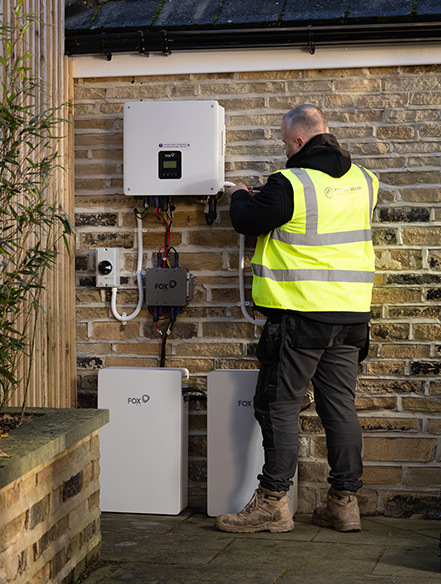
Panels on your roof turn daylight into electricity. This passes through an inverter, which changes it into the type of power your home uses. Your house uses this energy first, cutting the amount you buy from the grid. If you add a battery, any extra power can be stored for later, which helps you make the most of the energy you produce each day.
Higher gas prices, world events, and shifts in supply all feed into the cost the UK pays for power. These pressures flow through to household bills because much of the country still relies on gas-fired power stations. As a result, many people look for ways to reduce how much of their energy comes from the grid and protect themselves from price swings in future.